Top 5 Android Phones to Buy in 2024 for Gaming and Photography
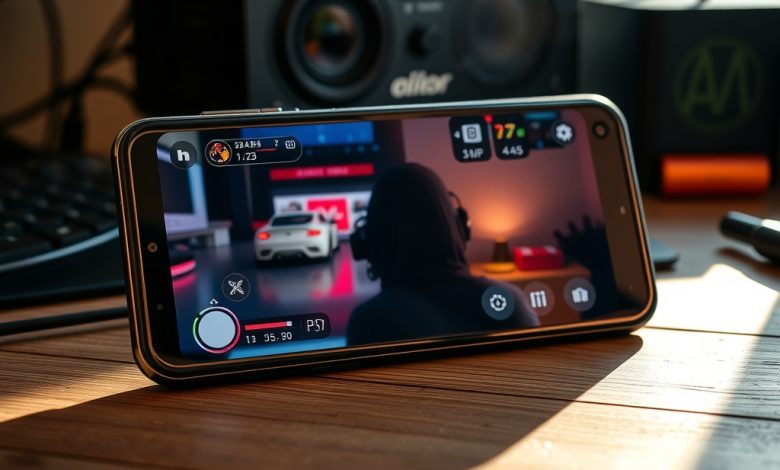
The smartphone landscape is exploding with power‑hungry processors, AI‑enhanced cameras, and gaming‑grade graphics, making it harder than ever to pinpoint the best phones for both high‑octane gaming and stunning photography. Whether you’re chasing frame‑perfect shots on a weekend hike or grinding through the latest mobile titles on a commute, the right Android device can be a game‑changer. In this guide we break down the top contenders of 2024, weigh their strengths, and give you actionable tips to get the most out of the best phones on the market.
Why Gaming and Photography Are the Defining Use‑Cases for 2024 Android Devices
Mobile gaming has surged past 3 billion active players worldwide, driven by titles that demand console‑level GPUs, ultra‑low latency, and high refresh‑rate displays. At the same time, smartphone cameras have become the primary tool for content creators, with AI‑driven computational photography rivaling dedicated mirrorless rigs. This dual demand pushes manufacturers to blend raw performance with sophisticated imaging, creating a new class of flagship devices that excel at both.
Choosing a phone that balances these needs isn’t just about raw specs; it’s about how those specs translate into real‑world experiences—smooth frame rates, responsive touch latency, accurate color reproduction, and reliable battery life under load. The best phones for 2024 deliver this harmony without forcing you to compromise.
Key Criteria for Selecting the Best Phones for Gaming and Photography
Our evaluation framework focuses on six pillars that directly impact gaming and photo quality. Each pillar is weighted based on its relevance to power users who demand top‑tier performance.
- Processor & GPU Power: Latest Snapdragon or MediaTek chips, GPU cores, and AI accelerators.
- Display Technology: Refresh rates (120 Hz+), HDR support, and touch sampling rates.
- Camera System: Sensor size, pixel architecture, optical image stabilization (OIS), and software processing.
- Battery & Thermal Management: Capacity, fast‑charging speeds, and cooling solutions for sustained gaming sessions.
- Software Ecosystem: Gaming modes, photo editing tools, and timely security updates.
- Price‑to‑Performance Ratio: How much you get for the cost compared to competing flagships.
The Top 5 Android Phones to Buy in 2024 for Gaming and Photography
1. Samsung Galaxy S24 Ultra
The Galaxy S24 Ultra continues Samsung’s tradition of blending a 6.8‑inch Dynamic AMOLED 2X panel with a Snapdragon 8 Gen 3 chipset, delivering a 120 Hz adaptive refresh rate and a GPU that handles 4K gaming with ease. Its camera suite boasts a 200 MP primary sensor, 12 MP ultra‑wide, and a 10 MP periscope telephoto with 10× optical zoom, all powered by AI Scene Optimizer.
Why it shines for gamers:
- Game Booster mode automatically allocates CPU/GPU resources.
- 120 Hz LTPO display with 240 Hz touch sampling reduces input lag.
- Advanced vapor‑chamber cooling keeps temperatures below 40 °C during 30‑minute sessions.
Photography highlights:
- 200 MP sensor captures 12 MP “Super‑Resolution” images with exceptional detail.
- 8K video recording at 30 fps with HDR10+.
- Pro Mode offers RAW capture and manual focus peaking.
At $1,299, the S24 Ultra sits at the premium end but justifies its price with a balanced blend of performance and imaging.
2. Google Pixel 8 Pro
Google’s Pixel 8 Pro is the flagship for pure computational photography, featuring the Tensor G3 processor that excels at AI‑driven image processing. The 6.7‑inch LTPO OLED screen runs at 120 Hz, and the device includes a 50 MP main sensor, 48 MP ultra‑wide, and a 48 MP telephoto with 5× optical zoom.
Gaming credentials:
- Tensor G3’s integrated AI engine reduces frame drops in Unity‑based titles.
- Low‑latency “Game Mode” disables background sync for smoother gameplay.
- Battery‑saving Adaptive Power Management extends playtime to 6 hours on a single charge.
Photography edge:
- Real Tone and Night Sight deliver natural skin tones and low‑light brilliance.
- Magic Eraser and Photo Unblur are built‑in tools for on‑the‑fly editing.
- Google’s HDR+ algorithm produces cinema‑grade dynamic range.
Pricing starts at $999, making it a compelling choice for creators who prioritize software‑centric camera performance.
3. OnePlus 12 Pro
The OnePlus 12 Pro brings a 6.74‑inch Fluid AMOLED display with a 144 Hz refresh rate and a Snapdragon 8 Gen 3 chipset tuned for high‑frequency gaming. Its triple‑camera array includes a 50 MP main sensor, 48 MP ultra‑wide, and a 32 MP telephoto with 3.5× optical zoom.
Gaming strengths:
- HyperBoost 2.0 software dynamically overclocks the CPU during intensive sessions.
- 144 Hz refresh rate and 300 Hz touch sampling deliver buttery‑smooth controls.
- Graphene cooling layer maintains performance under load.
Photography perks:
- Color‑accurate tuning with Hasselblad partnership.
- Pro‑Mode RAW capture at up to 10‑bit depth.
- Nightscape mode for bright low‑light shots without excessive noise.
At $949, the OnePlus 12 Pro offers a high‑refresh gaming experience while staying slightly under the price of Samsung’s ultra‑flagship.
4. ASUS ROG Phone 7 Ultimate
Designed explicitly for mobile gamers, the ASUS ROG Phone 7 Ultimate packs a 6.78‑inch AMOLED panel with a blazing 165 Hz refresh rate and a Snapdragon 8 Gen 3 processor paired with a dedicated GameCool 6 cooling system. The camera setup is modest—a 50 MP main sensor and a 13 MP ultra‑wide—but the device shines where it matters most: performance.
Gaming dominance:
- AirTrigger 6 ultrasonic shoulder buttons for precise control.
- GameFX audio engine with Hi‑Res DAC for immersive sound.
- Dual‑battery design (5000 mAh + 3000 mAh) delivers up to 10 hours of continuous gaming.
Photography considerations:
- AI‑enhanced HDR for casual snaps.
- Dedicated “Gaming Photo” mode that disables background processes for faster shutter response.
The ROG Phone 7 Ultimate retails for $1,199, targeting enthusiasts who demand the absolute best gaming experience, even if the camera is secondary.
5. Xiaomi 13 Ultra
Xiaomi’s 13 Ultra pushes the envelope on sensor size with a 1‑inch 50 MP primary sensor co‑developed with Leica, complemented by a 48 MP ultra‑wide, a 48 MP telephoto (5× optical), and a 48 MP periscope (10× optical). It runs on Snapdragon 8 Gen 3 and sports a 6.73‑inch AMOLED display with 120 Hz LTPO.
Gaming capabilities:
- MIUI Gaming Space optimizes network latency and frame pacing.
- Heat‑pipe vapor chamber keeps the SoC cool during marathon sessions.
- 120 Hz display with 240 Hz touch sampling ensures responsive controls.
Photography leadership:
- Leica optics deliver true‑to‑life color rendering and minimal distortion.
- 8K video capture with 10‑bit HDR.
- Advanced Night Mode that stacks up to 30 frames for exceptional low‑light detail.
Starting at $1,099, the Xiaomi 13 Ultra offers a premium photography experience while still delivering solid gaming performance, making it a well‑rounded contender among the best phones for creators.
Comparison of the Top 5 Android Phones for Gaming and Photography
| Phone | Starting Price | Processor / GPU | Display Refresh Rate | Main Camera (MP) | Gaming Features | Best For |
|---|---|---|---|---|---|---|
| Samsung Galaxy S24 Ultra | $1,299 | Snapdragon 8 Gen 3 / Adreno 770 | 120 Hz LTPO | 200 MP | Game Booster, Vapor‑chamber cooling | All‑round power users |
| Google Pixel 8 Pro | $999 | Tensor G3 / Integrated GPU | 120 Hz LTPO | 50 MP | AI‑enhanced Game Mode | Photography‑centric creators |
| OnePlus 12 Pro | $949 | Snapdragon 8 Gen 3 / Adreno 770 | 144 Hz | 50 MP | HyperBoost 2.0, Graphene cooling | High‑refresh gamers |
| ASUS ROG Phone 7 Ultimate | $1,199 | Snapdragon 8 Gen 3 / Adreno 770 | 165 Hz | 50 MP | AirTrigger 6, GameCool 6, Dual‑battery | Hardcore mobile gamers |
| Xiaomi 13 Ultra | $1,099 | Snapdragon 8 Gen 3 / Adreno 770 | 120 Hz LTPO | 50 MP (1‑in sensor) | MIUI Gaming Space, Heat‑pipe cooling | Leica‑grade photographers |
Optimizing Your Android Phone for Peak Gaming Performance
Even the most powerful handset can underperform without proper configuration. Follow these steps to squeeze every frame out of the best phones on this list.
- Enable Game Mode: Most manufacturers ship a dedicated gaming profile that disables background sync, limits notifications, and boosts CPU frequency.
- Adjust Refresh Rate: Set the display to its maximum (120 Hz or higher