Best Smart Watch Features to Elevate Fitness and Productivity
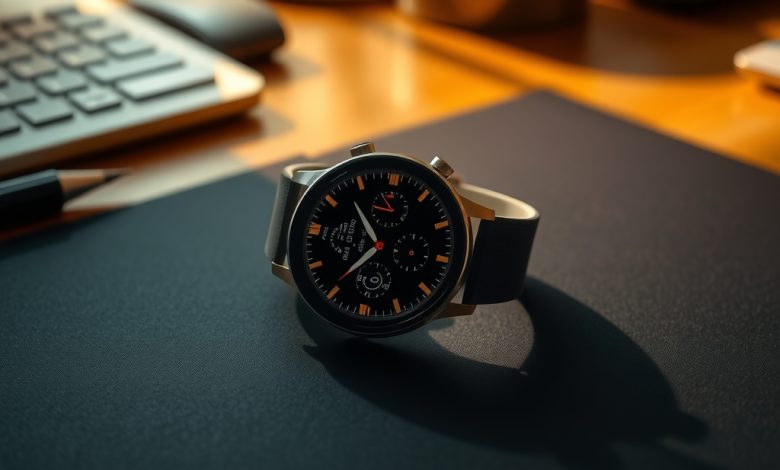
The wearable market has exploded, turning once‑novel gadgets into everyday essentials for health enthusiasts and busy professionals alike. A smart watch now does far more than tell time—it tracks every heartbeat, nudges you to move, and even manages your calendar without you pulling out your phone. As fitness goals intertwine with workplace demands, choosing a device that excels in both arenas can transform how you work out, work remotely, and stay protected in a data‑driven world.
Why Smart Watch Features Matter for Fitness and Productivity
Modern smart watch ecosystems blend sensors, AI‑driven analytics, and seamless app integration to deliver actionable insights in real time. For athletes, this means precise metrics that can fine‑tune training regimes; for knowledge workers, it translates into smarter time management and reduced screen fatigue. Understanding which capabilities directly impact your daily routine helps you avoid paying for fluff and focus on tools that deliver measurable ROI.
Core Fitness Features to Look For
When evaluating a wearable for health tracking, prioritize sensors and software that provide reliable data across a range of activities. Below are the must‑have fitness functionalities that separate premium models from budget alternatives.
Accurate Heart Rate Monitoring
Continuous optical heart‑rate sensors, combined with electrocardiogram (ECG) capabilities, give you a clear picture of cardiovascular stress. Look for:
- 5‑second interval readings for real‑time zone training.
- Automatic detection of arrhythmias and alerts for irregular rhythms.
- Integration with third‑party health platforms (Apple Health, Google Fit, Strava).
Built‑In GPS and Multi‑Sport Modes
Accurate location tracking is essential for runners, cyclists, and hikers who prefer leaving their phones behind. A high‑grade GPS chipset paired with GLONASS or Galileo ensures:
- Sub‑5‑meter accuracy in urban canyons.
- Multi‑sport presets (swim, trail run, indoor rowing) that auto‑switch based on movement patterns.
- Post‑activity analytics like VO₂ max, cadence, and elevation gain.
Blood Oxygen (SpO₂) and Sleep Tracking
Advanced models now include pulse‑ox sensors and AI‑driven sleep stage analysis. These features help you:
- Monitor recovery after intense workouts.
- Identify potential sleep apnea patterns.
- Adjust daily activity goals based on restorative sleep scores.
Productivity‑Boosting Capabilities
A fitness‑focused wearable can double as a personal assistant, reducing the need to constantly check your phone. The following productivity tools are essential for a seamless work‑life balance.
Smart Notifications and Quick Replies
Selective notification filters let you prioritize messages from key contacts while silencing low‑priority alerts. Look for:
- Customizable notification tiers (calls, emails, calendar events).
- Pre‑written quick replies or voice‑to‑text conversion for instant responses.
- Integration with collaboration suites like Microsoft Teams, Slack, and Zoom.
Voice Assistants and On‑Device AI
Built‑in AI assistants (Siri, Google Assistant, Bixby) enable hands‑free control of smart home devices, reminders, and search queries. Effective implementations feature:
- Context‑aware suggestions (e.g., “Start a workout” after a calendar meeting ends).
- Local processing for faster response times and better privacy.
- Third‑party “skills” that automate routine tasks such as expense logging.
Contactless Payments and Digital Keys
Secure NFC chips let you pay for coffee, unlock hotel doors, or access office entry points without pulling out a wallet. Ensure the device supports:
- Tokenized payment standards (Apple Pay, Google Pay, Samsung Pay).
- Dynamic authentication (biometric verification before each transaction).
- Compatibility with emerging digital‑key ecosystems (e.g., Bluetooth Low Energy locks).
Security, Privacy, and Battery Considerations
Wearables collect intimate health data, making robust security a non‑negotiable feature. Simultaneously, a short battery life can cripple the very productivity gains you seek.
Data Encryption and Secure Pairing
Top-tier smart watch models employ end‑to‑end encryption for data in transit and at rest. Key security practices include:
- Bluetooth Low Energy (BLE) pairing with a one‑time authentication code.
- On‑device encryption keys that never leave the hardware.
- Regular firmware updates that patch known vulnerabilities.
Privacy Controls and Permission Management
Look for a granular permission dashboard that lets you toggle data sharing for each app. Ideal privacy features comprise:
- Ability to disable location services while retaining GPS for specific workouts.
- Opt‑out options for third‑party analytics and targeted advertising.
- Clear data‑retention policies published by the manufacturer.
Battery Life Optimization
Battery endurance varies widely based on sensor usage and display technology. To maximize uptime:
- Choose devices with low‑power OLED or always‑on Retina displays.
- Utilize “Power‑Saving” modes that limit background heart‑rate sampling.
- Consider solar‑assisted or kinetic charging options for extended adventures.
Top Smart Watch Picks in 2024: Feature Comparison
Below is a side‑by‑side look at three leading wearables that excel in both fitness tracking and productivity tools. Prices reflect the base model with standard band; accessories and cellular add‑ons are excluded.
Comparison of Leading Smart Watches for Fitness & Productivity
| Product/Tool | Starting Price | Key Feature | Pros | Cons | Best For |
|---|---|---|---|---|---|
| Apple Watch Series 9 | $399 | Advanced health sensors + watchOS ecosystem | Seamless iPhone integration, robust app store, ECG & blood‑oxygen | Higher price, limited Android support | iOS users seeking premium health & productivity |
| Samsung Galaxy Watch 6 Classic | $329 | Tizen‑based UI with rotating bezel | Excellent battery (up to 40 hrs), LTE option, Samsung Pay | App selection lags behind watchOS, limited third‑party health apps | Android power users who value classic watch aesthetics |
| Garmin Venu 2 Plus | $299 | Focused on accurate sport metrics + solar charging | Best GPS accuracy, long battery (up to 12 days), extensive training plans | Bulkier design, no native voice assistant | Athletes and outdoor enthusiasts needing precise data |
How to Set Up and Optimize Your Smart Watch for Maximum ROI
Purchasing a capable device is only half the battle; proper configuration unlocks its full potential. Follow these steps to get up and running quickly while safeguarding your data.
- Initial Pairing: Use the companion app (Watch app for iOS, Galaxy Wearable for Android) and scan the QR code displayed on the watch. Confirm the Bluetooth pairing code on both screens.
- Update Firmware: Before customizing settings, check for the latest OS version. Firmware updates often include security patches and new health algorithms.
- Configure Health Permissions: Grant access to heart‑rate, GPS, and sleep data only if you plan to use those features. Disable background location if privacy is a concern.
- Set Up Notification Filters: In the app’s notification settings, enable “Do Not Disturb” during workouts and choose priority contacts for real‑time alerts.
- Enable Secure Payments: Add a credit card to the NFC wallet, enable biometric verification, and test a low‑value transaction to confirm functionality.
- Optimize Battery: Activate “Always‑On Display” only when needed, reduce screen brightness, and schedule a nightly power‑saving mode.
- Integrate Productivity Apps: Install calendar sync, task managers (Todoist, Microsoft To‑Do), and voice‑assistant shortcuts to streamline daily workflows.
After completing these steps, revisit the health dashboard weekly to assess trends and adjust goals. Consistent data review turns raw numbers into actionable performance improvements.
Future Trends: What’s Next for Smart Watches?
As AI models become more efficient and sensor miniaturization advances, the next generation of wearables will blur the line between device and personal health hub. Anticipated developments include:
- On‑Device AI Analytics: Real‑time lactate estimation, stress level prediction, and adaptive training plans processed locally for privacy.
- Hybrid Health Sensors: Integration of non‑invasive glucose monitoring and continuous blood pressure tracking.
- Modular Design: Swappable sensor modules that let users upgrade specific capabilities without replacing the entire watch.
- Extended Reality (XR) Integration: Haptic feedback for virtual coaching and AR overlays for navigation directly on the wrist.
Staying informed about these trends helps you future‑proof your investment and choose a platform with a strong roadmap.
Frequently Asked Questions
Is a smart watch safe for storing sensitive health data?
Yes, provided the device uses end‑to‑end encryption, regular firmware updates, and offers granular permission controls. Always enable biometric verification for NFC payments and avoid installing apps from untrusted sources.
Which smart watch offers the best balance of fitness tracking and productivity features?
The Apple Watch Series 9 leads in overall ecosystem integration, while the Samsung Galaxy Watch 6 Classic offers a strong blend of productivity tools for Android users. For pure fitness accuracy, the Garmin Venu 2 Plus remains unmatched.
How can I improve my smart watch’s battery life without sacrificing key features?
Activate power‑saving modes, reduce screen brightness, limit continuous heart‑rate monitoring to workout periods, and turn off always‑on display when not needed. Consider a solar‑assist model if you spend long hours outdoors.
Can I use a smart watch to monitor stress and mental health?
Many modern wearables incorporate stress detection algorithms based on heart‑rate variability (HRV). Pair the watch with a mindfulness app to receive guided breathing exercises when elevated stress is detected.
Do smart watches work with both iOS and Android?
Some models, like the Apple Watch, are limited to iOS, whereas Samsung’s and Garmin’s devices support both platforms. Check the manufacturer’s compatibility chart before purchasing.