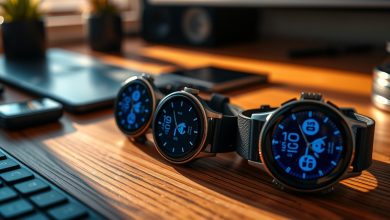
Top Smart Watch Picks for Fitness Lovers 2024
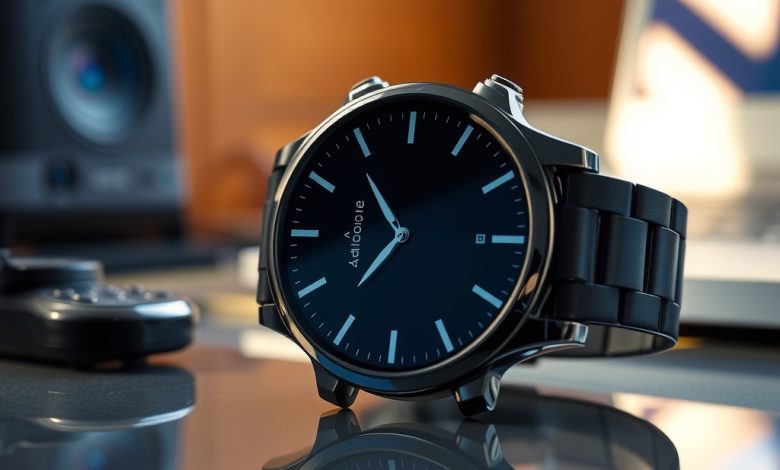
The wearable market has exploded, and today a smart watch is more than just a time‑telling gadget—it’s a personal trainer, health monitor, and data hub wrapped around your wrist. Whether you’re crushing a marathon training plan or simply trying to hit 10,000 steps a day, the right device can turn vague goals into measurable results. In this guide we’ll break down the top fitness‑focused smart watches of 2024, compare their core capabilities, and show you how to set them up securely for maximum performance.
Why Smart Watches Have Become Fitness Essentials
Modern fitness enthusiasts demand real‑time feedback, and a smart watch delivers it instantly. From heart‑rate variability to VO₂ max estimations, these wearables collect data that once required bulky chest straps or lab equipment. The convenience of having a sensor‑rich device on your wrist means you can track workouts, monitor recovery, and adjust intensity without pulling out a phone.
Beyond raw metrics, smart watches integrate with ecosystem apps, allowing seamless syncing of workouts to platforms like Strava, Apple Fitness+, or Garmin Connect. This integration fuels personalized coaching, adaptive training plans, and even AI‑driven insights that predict fatigue before you feel it.
Top Smart Watch Picks for Fitness Lovers 2024
We evaluated dozens of models based on accuracy, battery life, health‑sensor suite, and ecosystem compatibility. Below are the five standout choices that cater to different budgets, sport preferences, and style sensibilities.
Apple Watch Series 9
The Apple Watch remains the benchmark for consumer wearables, and the Series 9 pushes the envelope with a new S9 SiP processor, brighter always‑on display, and enhanced optical heart sensor. Its integration with iOS makes it a natural fit for iPhone users who want deep health analytics.
- Key Fitness Features: Blood‑oxygen monitoring, ECG, sleep staging, and the new “Fitness+” adaptive workouts.
- Battery Life: Up to 18 hours with typical mixed usage; fast‑charge reaches 80% in 45 minutes.
- Best For: iOS users who value a polished UI and third‑party app ecosystem.
Garmin Fenix 7
Garmin’s rugged Fenix line is built for outdoor athletes, and the 7th generation adds solar charging options and multi‑band GPS for pinpoint accuracy even in dense forests or urban canyons.
- Key Fitness Features: Advanced training metrics (training load, recovery advisor), pulse‑ox, and built‑in sports profiles for trail running, cycling, swimming, and ski.
- Battery Life: Up to 18 days in smartwatch mode; solar models extend this to 24+ days.
- Best For: Adventurers and triathletes who need durability and extensive navigation tools.
Samsung Galaxy Watch 6 Classic
Samsung’s latest watch blends a classic analog look with a robust health suite, including a new BioActive sensor that merges optical heart rate, ECG, and skin temperature.
- Key Fitness Features: Auto‑detect workouts, sleep score, stress monitoring, and integration with Samsung Health and Google Fit.
- Battery Life: Approximately 40 hours with mixed use; power‑saving mode stretches it to 80 hours.
- Best For: Android users seeking a stylish, round‑face watch with comprehensive health tracking.
Fitbit Charge 6
Fitbit’s Charge series offers a budget‑friendly entry point without sacrificing core health metrics. The Charge 6 adds a brighter AMOLED display and refined sleep stage analysis.
- Key Fitness Features: 24/7 heart rate, SpO₂, stress management score, and built‑in GPS for run tracking.
- Battery Life: Up to 7 days on a single charge.
- Best For: Casual fitness fans and users who prioritize long battery life over premium design.
Whoop 4.0 Strap (Wearable)
While technically a strap rather than a traditional watch, the Whoop 4.0 offers unparalleled recovery analytics. It’s subscription‑based, focusing on strain, sleep, and heart‑rate variability to guide training intensity.
- Key Fitness Features: Continuous HRV, sleep performance score, strain coach, and community challenges.
- Battery Life: 5 days with a quick‑swap battery pack.
- Best For: Serious athletes and data‑driven users who want deep recovery insights.
Feature Checklist: What to Look for in a Fitness‑Focused Smart Watch
Before you click “Add to Cart,” use this checklist to ensure the device aligns with your training goals and lifestyle.
- Sensor Accuracy: Look for optical heart sensors that support ECG, SpO₂, and skin temperature. Multi‑band GPS (L1+L5) improves location precision.
- Battery Management: Consider fast‑charge capability and power‑saving modes. Solar or kinetic charging can be a game‑changer for ultra‑long outings.
- Software Ecosystem: Compatibility with your phone’s OS, preferred fitness apps, and cloud services determines data portability.
- Durability & Water Resistance: ISO 22810 (5 ATM) is standard, but for diving or extreme sports, look for 10 ATM or MIL‑STD‑810G certifications.
- Display Readability: Brightness, always‑on options, and touchscreen vs. rotating bezel affect usability during workouts.
- Security & Privacy: End‑to‑end encryption for health data, regular firmware updates, and clear privacy policies protect your personal metrics.
Setting Up and Securing Your Smart Watch
A powerful device is only as good as the way you configure it. Follow these steps to get the most out of your new smartwatch while safeguarding your data.
Initial Pairing and Account Creation
- Download the official companion app (Apple Watch, Galaxy Wearable, Garmin Connect, Fitbit, or Whoop).
- Create a strong, unique password for the app account; enable two‑factor authentication (2FA) where available.
- During the Bluetooth pairing process, verify the device’s serial number matches the packaging to avoid counterfeit hardware.
Health Data Permissions
Most platforms ask for permission to access heart rate, location, and sleep data. Grant only the permissions you need, and regularly audit app access in your phone’s privacy settings.
Firmware Updates and Security Patches
- Enable automatic firmware updates; manufacturers often release patches that fix sensor bugs and security vulnerabilities.
- Check the update logs for any changes to data handling policies.
- Consider disabling unnecessary connectivity features (e.g., NFC) when not in use to reduce attack surface.
Data Backup and Export
Export your workout logs weekly to a secure cloud storage or a personal health data vault. This practice ensures you retain historical performance data even if you switch devices.
Best Practices for Battery Longevity
- Use the built‑in power‑saving mode during non‑active periods.
- Avoid exposing the watch to extreme temperatures, which can degrade battery health.
- Charge to 80% for daily use; only charge to 100% when you need maximum runtime for long events.
Privacy Settings for Third‑Party Apps
When linking to services like Strava or MyFitnessPal, review each app’s data sharing agreements. Opt‑out of data aggregation for marketing purposes whenever possible.
Comparison of Top Fitness Smart Watches 2024
| Product/Tool | Starting Price | Key Feature | Pros | Cons | Best For |
|---|---|---|---|---|---|
| Apple Watch Series 9 | $399 | S9 SiP + Advanced Health Sensors | Seamless iOS integration, vibrant display, extensive app ecosystem | Shorter battery life, iPhone only | iPhone users seeking premium experience |
| Garmin Fenix 7 | $749 | Solar charging & Multi‑band GPS | Rugged build, long battery, deep sport analytics | Higher price, bulkier design | Outdoor athletes and triathletes |
| Samsung Galaxy Watch 6 Classic | $329 | BioActive sensor suite | Stylish design, strong Android support, good battery | Limited third‑party apps compared to Apple | Android users wanting a classic look |
| Fitbit Charge 6 | $149 | AMOLED display + Built‑in GPS | Affordable, excellent battery, simple UI | Less advanced health metrics, no LTE | Casual fitness enthusiasts |
| Whoop 4.0 Strap | $30/mo (subscription) | Strain & Recovery analytics | Deep recovery insights, community challenges | Subscription model, no traditional watch face | Serious athletes focused on recovery |
Future Trends: AI‑Driven Health Insights in Wearables
Artificial intelligence is reshaping how smart watches interpret raw sensor data. In 2024, we’re seeing three major trends that will influence buying decisions over the next few years.
Predictive Performance Modeling
Machine‑learning algorithms analyze historic workout patterns to forecast fatigue, injury risk, and optimal training loads. Devices like the Apple Watch and Garmin are already rolling out “training effect” scores that adapt in real time.
Personalized Nutrition Recommendations
By correlating heart‑rate variability, sleep quality, and activity intensity, AI can suggest macro‑nutrient adjustments or hydration reminders directly on the wrist.
On‑Device AI Processing
Edge computing reduces reliance on cloud services, preserving privacy while delivering instant insights. Expect future models to incorporate dedicated AI cores that run health analytics locally, minimizing data transmission.
Choosing a smartwatch today means investing in a platform that will evolve with these innovations. Prioritize devices with regular software updates and open developer ecosystems, as they are best positioned to adopt next‑gen AI features.
Frequently Asked Questions
Is my health data safe on a smart watch?
Reputable manufacturers use end‑to‑end encryption for data in transit and at rest. Enable two‑factor authentication on the companion app, keep firmware up to date, and review privacy settings regularly to minimize exposure.
Which smart watch offers the best battery life for long outdoor trips?
The Garmin Fenix 7 (especially solar models) provides the longest endurance, with up to 18‑24 days on a single charge. For a balance of battery and price, the Fitbit Charge 6 offers up to 7 days.
Can I use a smart watch with both Android and iOS?
Most watches are optimized for a single ecosystem. Apple Watch works exclusively with iOS, while